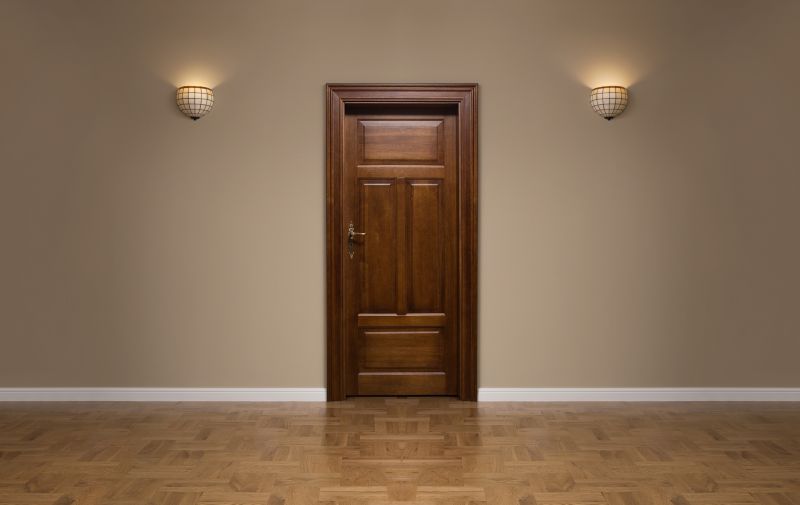
Interior Trim Staining in Wilmington, NC
Interior trim staining services involve applying a durable stain to woodwork such as baseboards, crown molding, door casings, and window trims to enhance their appearance and protect the surface. This process is often requested for projects aiming to update or refresh interior spaces, whether restoring original wood features or achieving a specific aesthetic. Property owners typically seek stain application to deepen or alter the color of existing woodwork, match new trim to existing finishes, or improve the overall look of interior architectural details.
Before requesting interior trim staining, property owners should consider the type of wood and finish currently present, as well as the desired color or tone. It's important to understand the differences between staining and painting, including how stain penetrates the wood to highlight grain patterns, versus paint that provides a solid color overlay. Clarifying the scope of the project, including the number of trim pieces and the condition of the wood surface, can help ensure the best results. Proper preparation and understanding of these factors contribute to achieving a consistent, long-lasting finish.
Many property owners in Wilmington, NC look into Interior Trim Staining for repairs, replacements, upgrades, and appearance-related improvements.
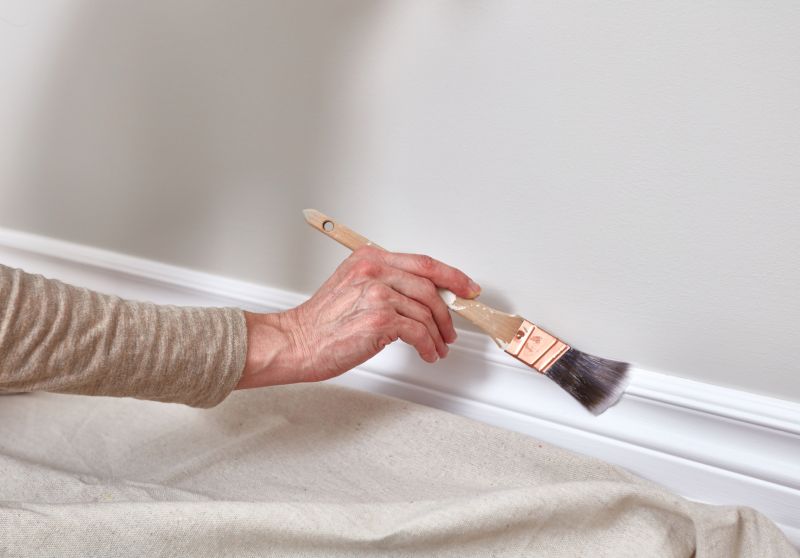
Enhancing Wooden Surfaces
Interior trim staining can improve the appearance and durability of baseboards, crown molding, and window casings in wilmington homes.
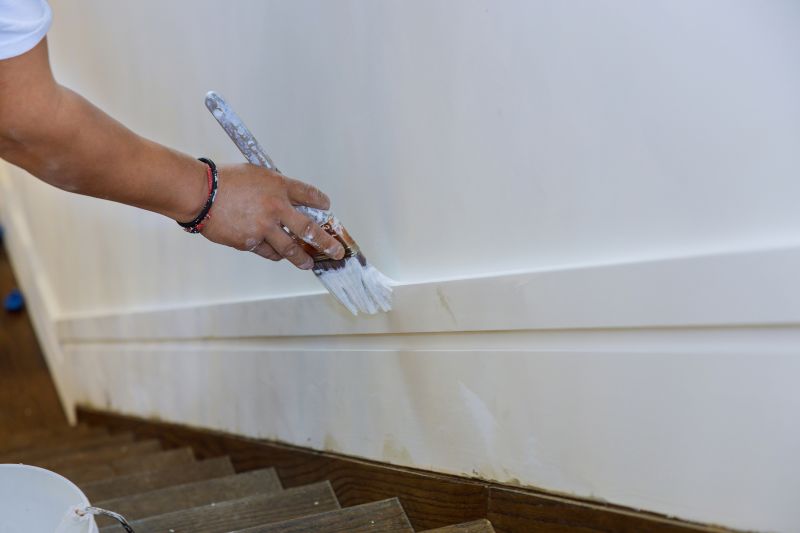
Custom Finish Options
A variety of stain colors and finishes are available to match or complement existing interior decor styles.
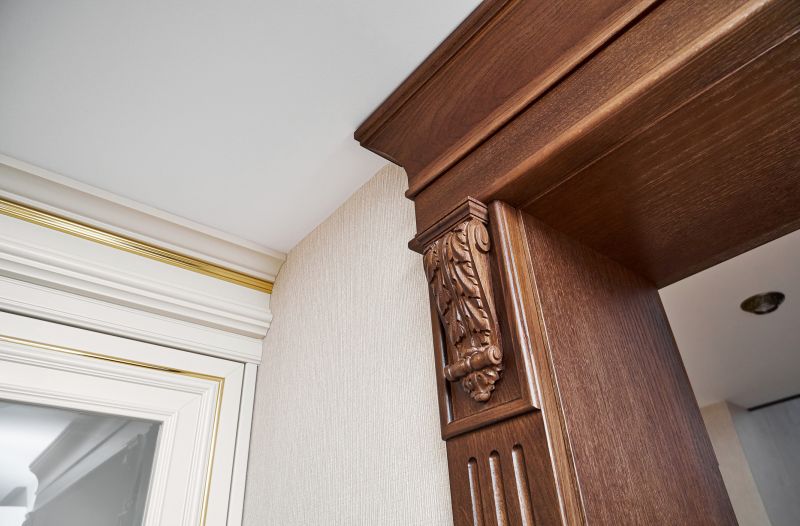
Protecting Interior Details
Staining interior trim helps protect wood surfaces from wear and moisture while adding a polished look to living spaces.
Interior Trim Staining in Wilmington, NC
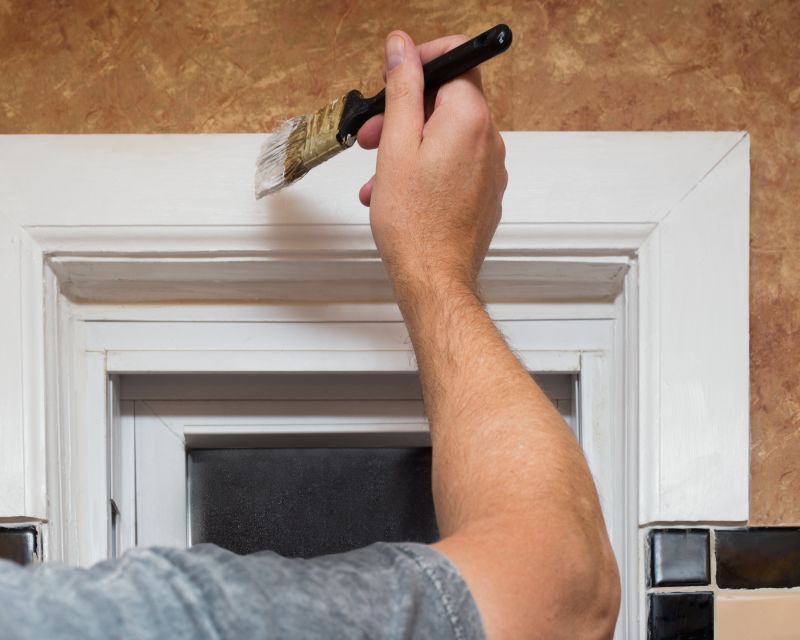
Interior trim staining services involve applying a durable stain to woodwork such as baseboards, crown molding, door casings, and window trims to enhance their appearance and protect the surface. This process is often requested for projects aiming to update or refresh interior spaces, whether restoring original wood features or achieving a specific aesthetic. Property owners typically seek stain application to deepen or alter the color of existing woodwork, match new trim to existing finishes, or improve the overall look of interior architectural details.
Before requesting interior trim staining, property owners should consider the type of wood and finish currently present, as well as the desired color or tone. It's important to understand the differences between staining and painting, including how stain penetrates the wood to highlight grain patterns, versus paint that provides a solid color overlay. Clarifying the scope of the project, including the number of trim pieces and the condition of the wood surface, can help ensure the best results. Proper preparation and understanding of these factors contribute to achieving a consistent, long-lasting finish.
Many property owners in Wilmington, NC look into Interior Trim Staining for repairs, replacements, upgrades, and appearance-related improvements.
Common Interior Trim Staining Jobs
Interior Trim Staining - enhances the appearance of woodwork and trim in homes.
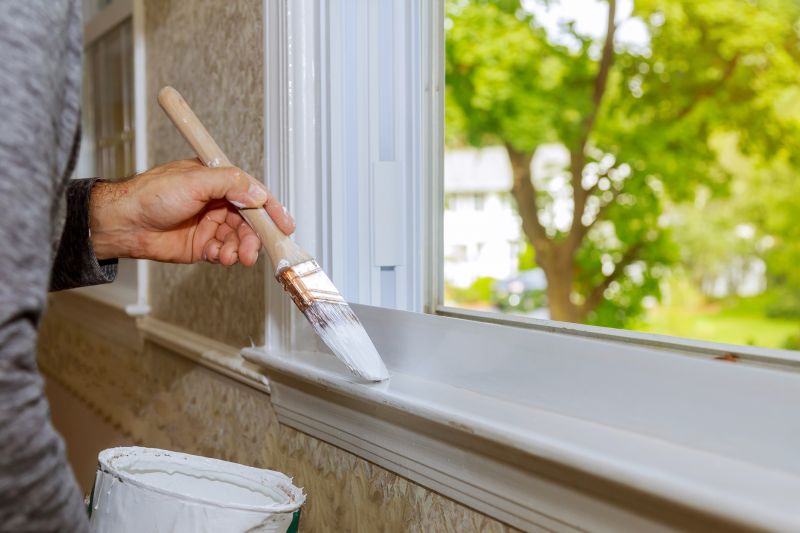
Door and Window Casings - restores or updates stained wood accents around doors and windows.
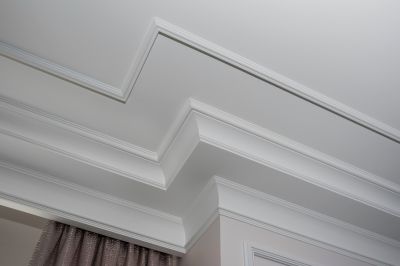
Baseboards and Crown Molding - refreshes or changes the color of decorative trim elements.
Built-in Shelving and Cabinets - provides a uniform, polished look with stained wood finishes.
Wainscoting and Paneling - improves the aesthetic appeal of wall paneling with professional staining.
Custom Woodwork - custom staining to match existing finishes or achieve a new style.
Interior Trim Staining Questions
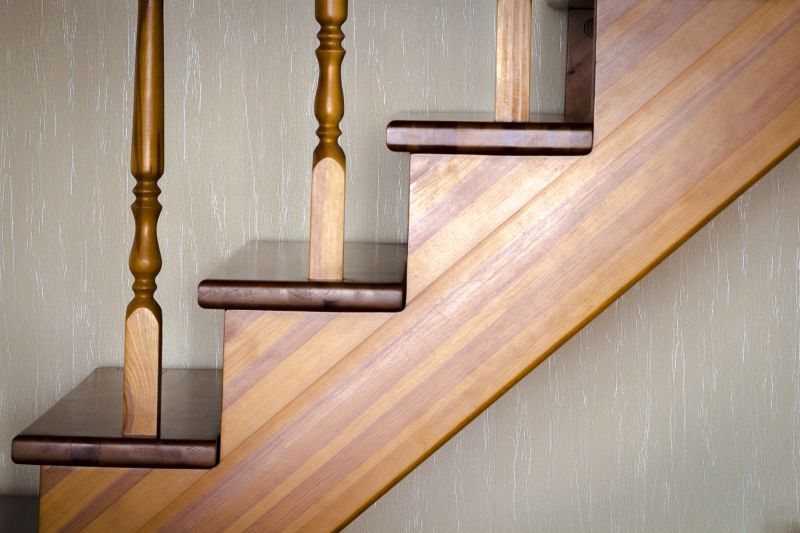
What types of interior trim can be stained? Interior trim such as baseboards, crown molding, door casings, and window frames can be stained to enhance their appearance.
Is staining suitable for all wood types? Staining works best on certain wood species, especially those with open grain, to achieve a rich and even finish.
Can staining be done on existing painted trim? Staining is typically not suitable for painted surfaces; it is mainly used on bare or unfinished wood.
What finishes are available after staining? Stains can be combined with clear protective finishes like polyurethane or varnish for durability and a polished look.
Request Interior Trim Staining in Wilmington, NC
Use the quote form on this page to share the basics of your project and request more information for the type of work you need.